
Safe Kids Week

Safe Kids Week 2026: Safe Speeds for Kids

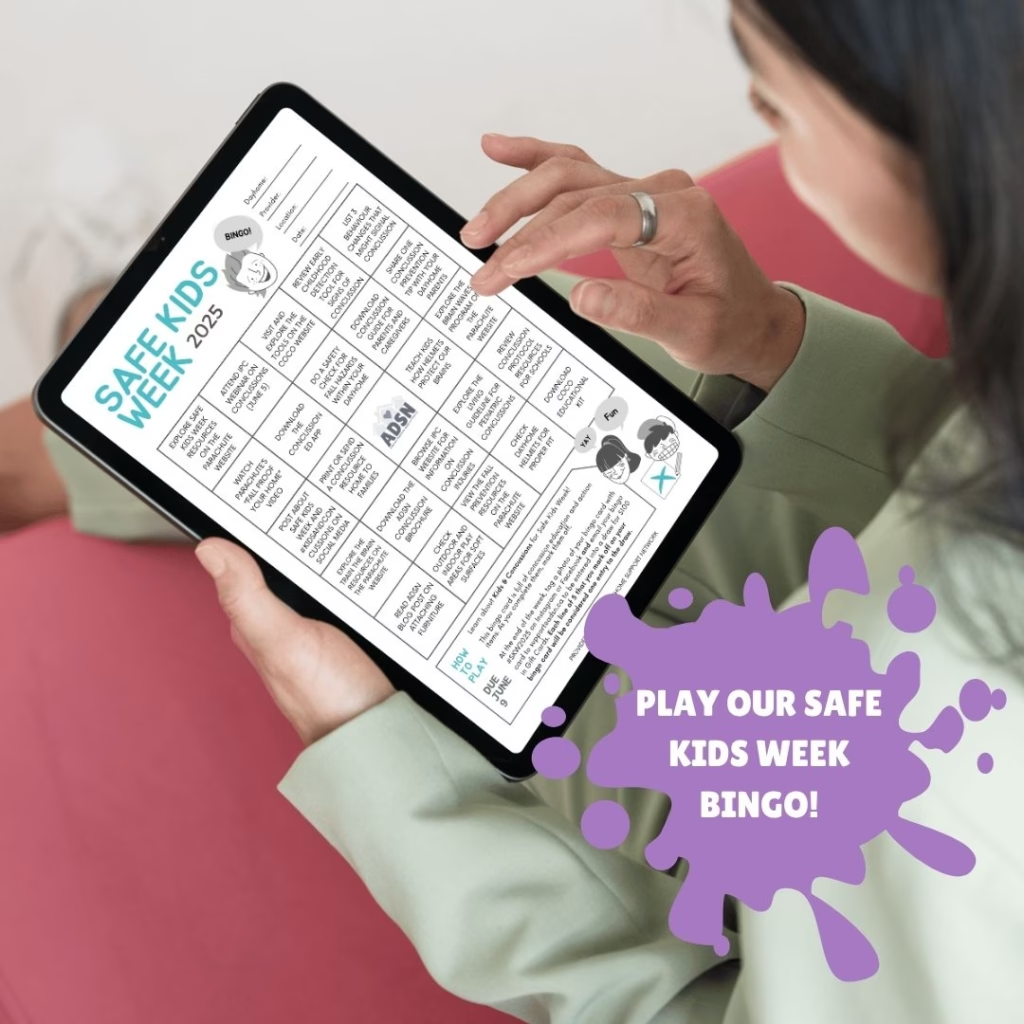
Play Along with our Safe Kids Week Bingo!

Build road safety awareness in a fun, hands-on way while strengthening safety practices in your dayhome. Challenge yourself to complete the entire SKW Bingo Card and send it back to us by June 9 to be entered into our prize draw! Each square completed equals one entry. Earn 10 additional bonus entries for completing the full card!


June 1–7, 2026 | Focus: #SafeSpeedsForKids

Each year, we participate in Safe Kids Week, a national campaign led by Parachute Canada to raise awareness about preventable injuries in children. This year’s theme is #SafeSpeedsForKids, highlighting the important role slower speeds, safe road design, and road safety awareness play in protecting children.

Children are some of our most vulnerable road users. Whether walking, biking, scootering, or riding in vehicles, small changes in driver awareness and community safety can make a big difference in preventing serious injuries.

Throughout the week, we’ll be sharing fun, practical, and educational ways for dayhomes to participate and help make safety a priority in meaningful and engaging ways.

Safe Kids Week Bingo

Our Safe Kids Week Bingo is a hands-on way to build awareness and encourage safety in your dayhome community.

How It Works

Complete as many of the bingo squares as you can during Safe Kids Week. Each square features a road safety-related activity, from practicing pedestrian safety skills and checking helmets for proper fit to reviewing safe pick-up and drop-off routines around your dayhome.

You do not need to complete the entire card to be eligible for our prize draw. Each square completed equals one entry into the draw.

What’s Up for Grabs

Send us back your bingo card and be entered into our draw for:

Why Participate

How to Join

By building awareness and taking small, intentional steps, we can all help create safer environments for children both in and beyond our dayhome programs. Safe Kids Week is an opportunity to learn, reflect, and take action together — helping children build safe habits that will support them for years to come.

DOWNLOAD THE SAFE KIDS WEEK BINGO

Provide your name and email address below and we’ll send you a copy of the Safe Kids Week Bingo Card to your inbox. If you don’t receive an email from us, be sure to check your junk folder in case it landed there. 

Understanding Road Safety: What Every Dayhome Provider Should Know

As dayhome providers, safety is part of everything we do. This year, Safe Kids Week (June 1–7, 2026) focuses on #SafeSpeedsForKids and raising awareness about how road safety, slower speeds, and safe environments help protect children.

Whether children are walking, biking, scootering, or riding in vehicles, they are some of our most vulnerable road users. Even small changes in speed and awareness can make a significant difference in preventing serious injuries.

Why does speed matter?

Children are still developing their awareness, judgment, and ability to react quickly around traffic. Drivers traveling at lower speeds have more time to stop, avoid collisions, and reduce the severity of injuries if a crash does occur.

Safe Kids Week reminds us that creating safer environments for children starts with all of us.

Road safety in a dayhome setting:

As dayhome providers, there are many ways we can help promote safer habits and environments for children, including:

🟢 Practicing safe walking routines
🟢 Teaching children to stop, look, and listen before crossing
🟢 Supervising outdoor play near roads or parking areas
🟢 Reviewing safe pick-up and drop-off procedures
🟢 Encouraging proper helmet use for biking and scootering
🟢 Checking bikes, ride-on toys, and outdoor equipment for safety
🟢 Identifying visibility hazards around your program

Simple safety conversations and routines can help children build lifelong habits that keep them safer in their communities.

Supporting children through learning:

Road safety learning doesn’t need to feel scary or overwhelming. Through play, walks, stories, role modeling, and consistent routines, children can begin learning important safety skills in age-appropriate ways.

Younger children benefit from repetition and hands-on practice, while older children can begin understanding why slowing down, staying alert, and making safe choices matters.

A resource for your dayhome:

This year, we’ve created a Safe Kids Week Bingo activity designed specifically for dayhome programs. The bingo card includes simple, practical activities that help educators explore road safety concepts with children and families in meaningful ways.

From practicing pedestrian safety to reviewing outdoor safety hazards, the activities are designed to make safety learning engaging, practical, and approachable for dayhome educators.

Let’s help keep kids safe — together!

Safe Kids Week is an opportunity to reflect on the small steps we can all take to help create safer environments for children both in and beyond our dayhome programs. By building awareness and practicing safe habits together, we can help children develop confidence, independence, and lifelong safety skills.


CHECK OUT THESE HELPFUL ADSN RESOURCES

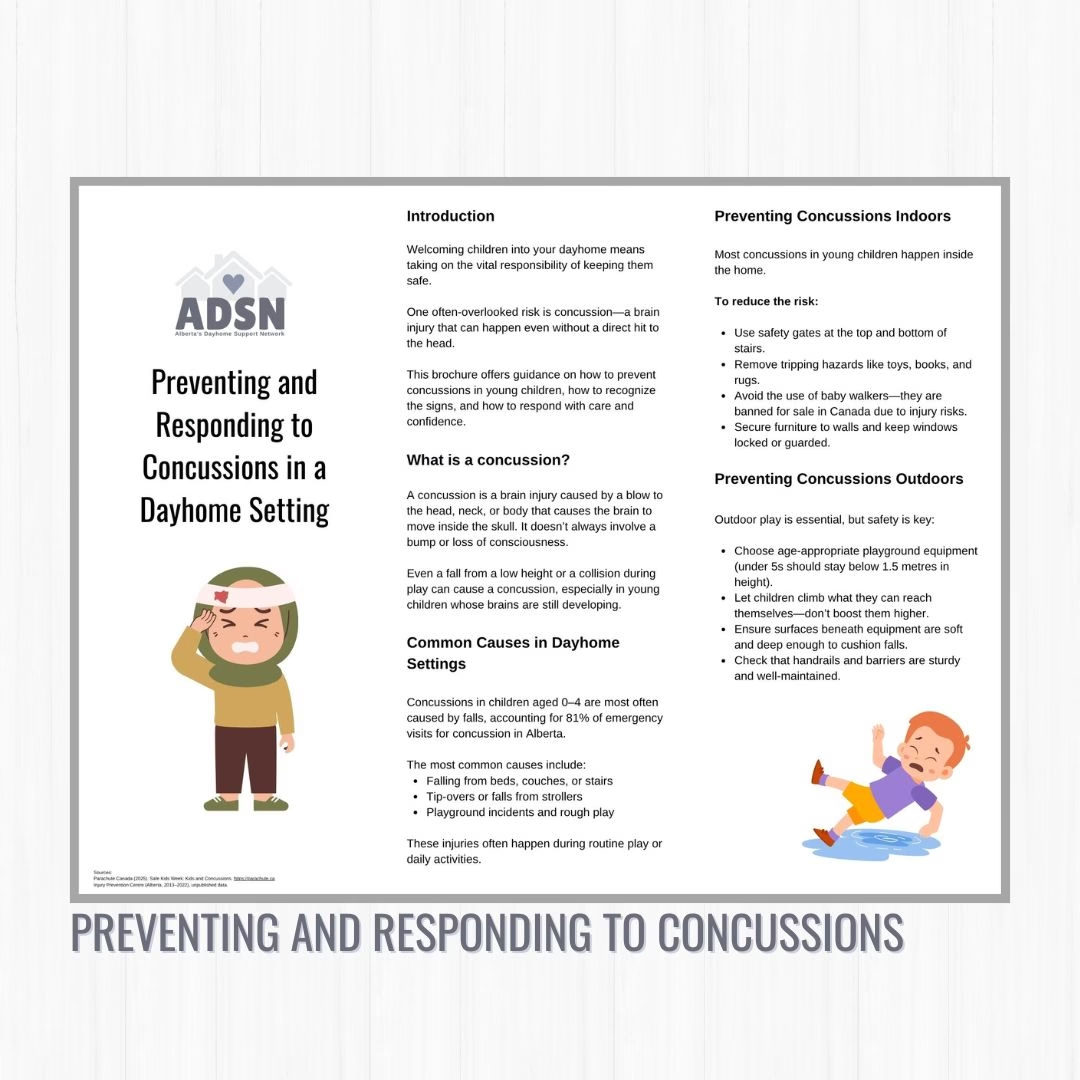
Concussion Brochure Photo

Digital Concussion Brochure

This digital brochure is a great resource that shares important information on preventing and responding to concussions in a dayhome setting.
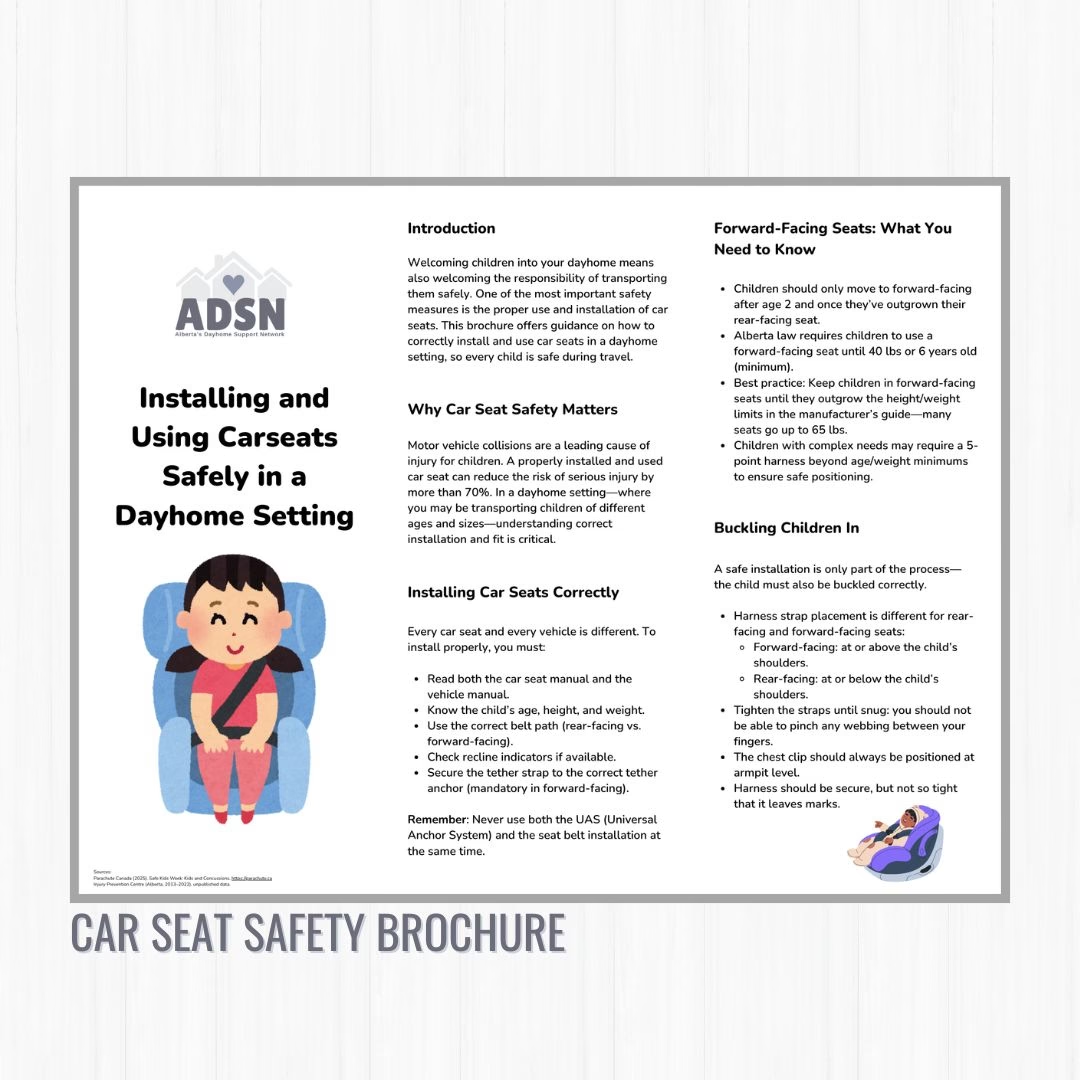
Car Seat Safety Brochure

Car Seat Safety Brochure

This digital brochure is a great resources to help you learn important information about installing and using car seats in your dayhome program.
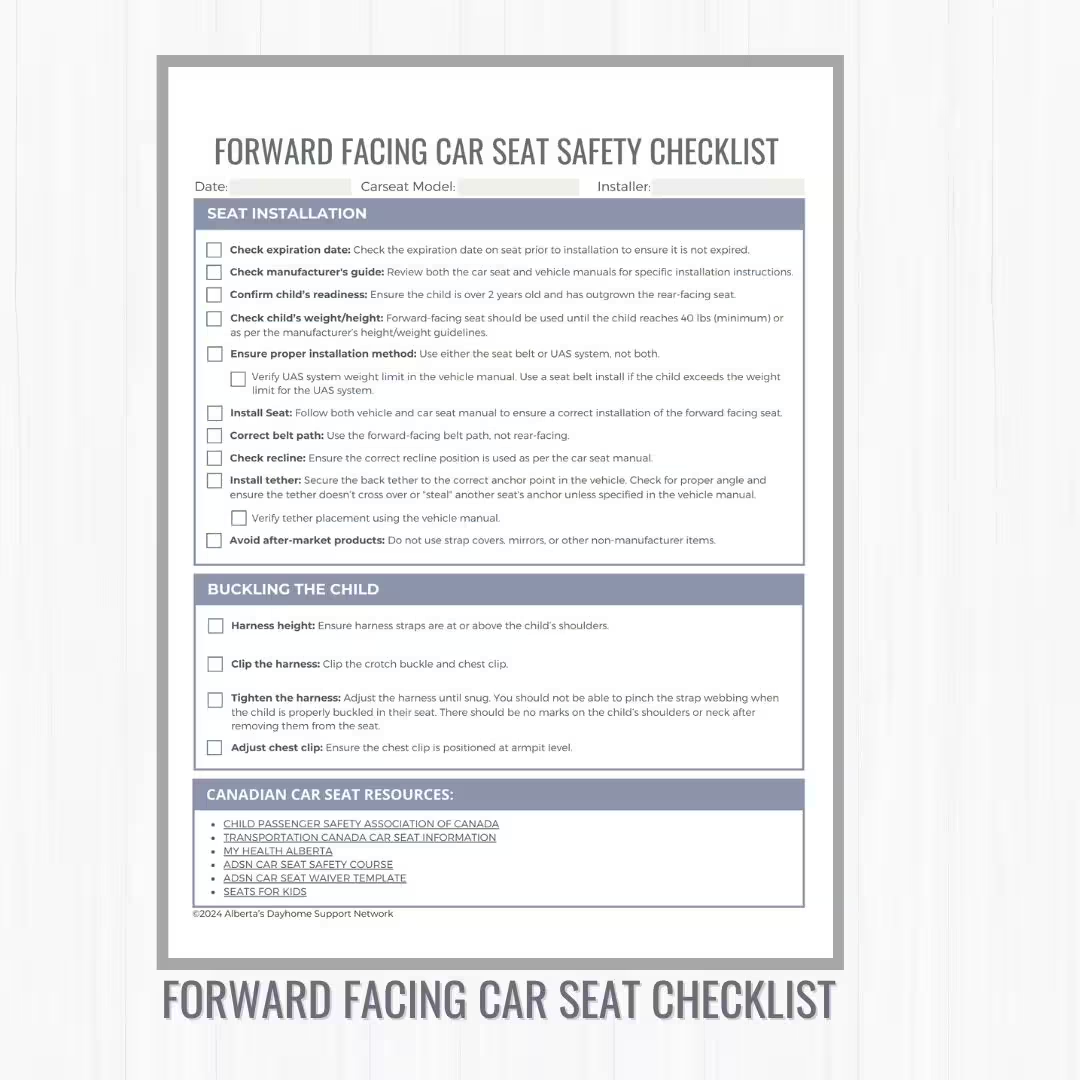
Forward Facing Car Seat Checklist

Car Seat Safety Checklist

Our Car Seat Safety Checklist is designed to help you quickly and efficiently assess car seat installation for forward facing car seats.

EXPLORE THESE TRUSTED SAFETY RESOURCES!

The Injury Prevention Centre has many great safety related resources that dayhomes can make use of. They are an Alberta organization based out of the University of Alberta.

Parachute is Canada’s leader in injury prevention focused on three key areas where people are unintentionally injured: in the home, at play, and on the move.

The Living Guideline for Pediatric Concussion shares Up-to-date clinical practice guideline recommendations and tools for preventing, diagnosing, and managing pediatric concussion.

Verified

Not Yet Verified

Always check original documents in person before enrolling.